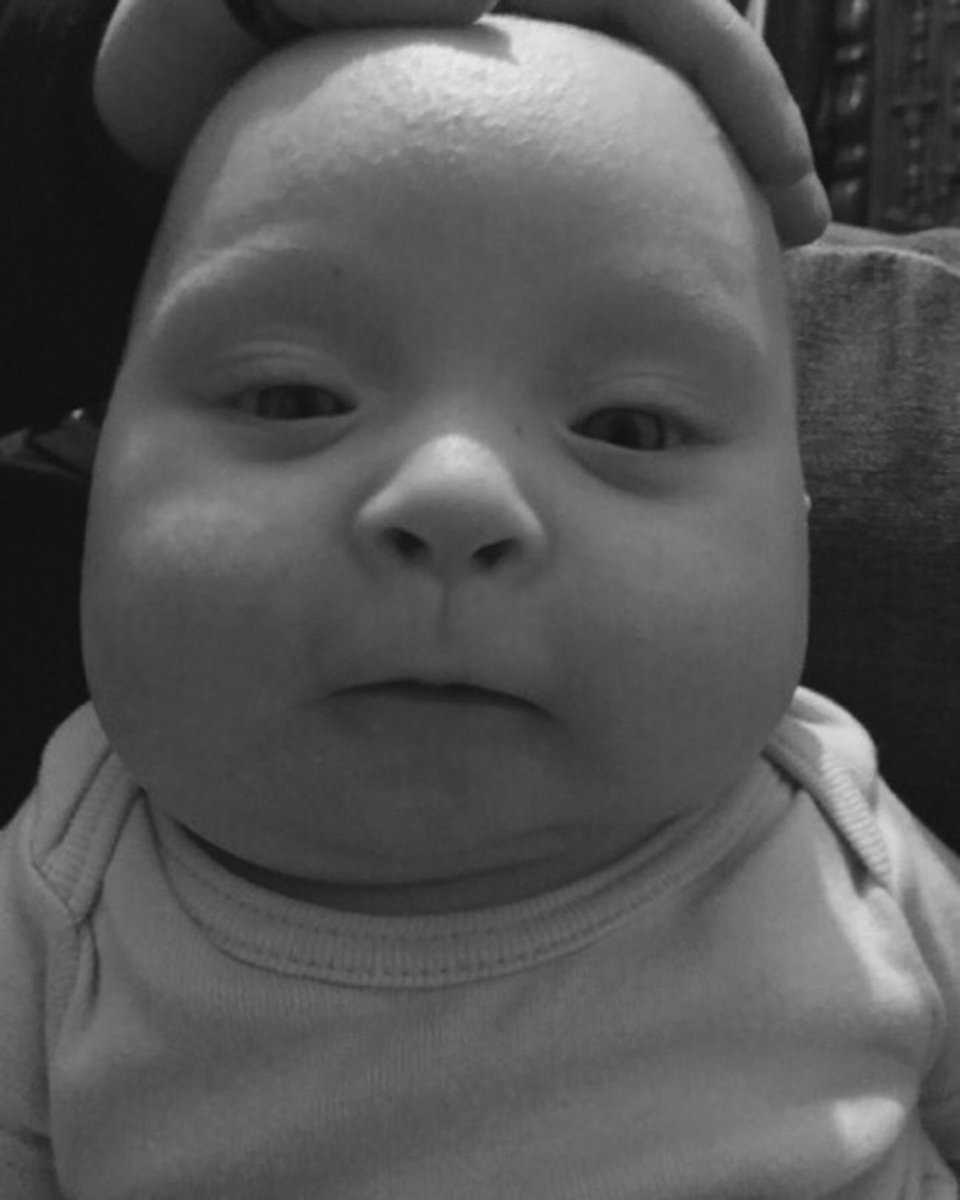
Flat Nasal Bridge And Epicanthal Folds / Flat Nasal Bridge And Epicanthal Folds / Fetal Alcohol Syndrome Pediatrics Medbullets Step 2 3 .... Brushfield spots (white spots on periphery of iris). This is especially noticeable in pictures and when the child looks to the side. This pseudostrabismus is most commonly due to a flat nasal bridge with prominent epicanthal skin folds. Protrusion of the lower jaw (prognathism); And/or a small jaw (micrognathia) and small mouth with protruding lips.
An abnormally long vertical groove in the center of the upper lip (philtrum); This is especially noticeable in pictures and when the child looks to the side. Dec 07, 2014 · affected newborns often have poor muscle tone (hypotonia); Endocardial cushion defects leading to ostium primum atrial septal defects, ventricular septal defects, and atrioventricular valve malformations. Protrusion of the lower jaw (prognathism);
Flat Nasal Bridge And Epicanthal Folds / Fetal Alcohol Syndrome Doki Doki Literature Club Know ... from pbs.twimg.com This pseudostrabismus is most commonly due to a flat nasal bridge with prominent epicanthal skin folds. An abnormally long vertical groove in the center of the upper lip (philtrum); Endocardial cushion defects leading to ostium primum atrial septal defects, ventricular septal defects, and atrioventricular valve malformations. These features make the eyes look crossed when in fact they are not. Liver cysts with liver dysfunction; This is especially noticeable in pictures and when the child looks to the side. Dec 07, 2014 · affected newborns often have poor muscle tone (hypotonia); Pseudostrabismus is often due to the fact that baby's have a broad flat nasal bridge with small folds of eyelid skin at the inner corner of the eyelids (called epicanthal folds).
This is especially noticeable in pictures and when the child looks to the side.
An abnormally long vertical groove in the center of the upper lip (philtrum); Protrusion of the lower jaw (prognathism); Brushfield spots (white spots on periphery of iris). Many affected infants also have unusually flat midfacial regions (midfacial hypoplasia), including a short nose, flattened nasal bridge, and upturned nostrils (anteverted nares); And/or a small jaw (micrognathia) and small mouth with protruding lips. This pseudostrabismus is most commonly due to a flat nasal bridge with prominent epicanthal skin folds. This is especially noticeable in pictures and when the child looks to the side. Pseudostrabismus is often due to the fact that baby's have a broad flat nasal bridge with small folds of eyelid skin at the inner corner of the eyelids (called epicanthal folds). These features make the eyes look crossed when in fact they are not. Dec 07, 2014 · affected newborns often have poor muscle tone (hypotonia); Endocardial cushion defects leading to ostium primum atrial septal defects, ventricular septal defects, and atrioventricular valve malformations. Liver cysts with liver dysfunction;
An abnormally long vertical groove in the center of the upper lip (philtrum); Endocardial cushion defects leading to ostium primum atrial septal defects, ventricular septal defects, and atrioventricular valve malformations. These features make the eyes look crossed when in fact they are not. Protrusion of the lower jaw (prognathism); This is especially noticeable in pictures and when the child looks to the side.
Flat Nasal Bridge And Epicanthal Folds - Big Blueberry Eyes Characteristics : Flat nasal bridge ... from www.medicalimages.com This is especially noticeable in pictures and when the child looks to the side. And/or a small jaw (micrognathia) and small mouth with protruding lips. These features make the eyes look crossed when in fact they are not. Dec 07, 2014 · affected newborns often have poor muscle tone (hypotonia); Endocardial cushion defects leading to ostium primum atrial septal defects, ventricular septal defects, and atrioventricular valve malformations. Protrusion of the lower jaw (prognathism); An abnormally long vertical groove in the center of the upper lip (philtrum); This pseudostrabismus is most commonly due to a flat nasal bridge with prominent epicanthal skin folds.
Dec 07, 2014 · affected newborns often have poor muscle tone (hypotonia);
Endocardial cushion defects leading to ostium primum atrial septal defects, ventricular septal defects, and atrioventricular valve malformations. Many affected infants also have unusually flat midfacial regions (midfacial hypoplasia), including a short nose, flattened nasal bridge, and upturned nostrils (anteverted nares); Protrusion of the lower jaw (prognathism); This pseudostrabismus is most commonly due to a flat nasal bridge with prominent epicanthal skin folds. And/or a small jaw (micrognathia) and small mouth with protruding lips. Dec 07, 2014 · affected newborns often have poor muscle tone (hypotonia); This is especially noticeable in pictures and when the child looks to the side. Brushfield spots (white spots on periphery of iris). These features make the eyes look crossed when in fact they are not. An abnormally long vertical groove in the center of the upper lip (philtrum); Liver cysts with liver dysfunction; Pseudostrabismus is often due to the fact that baby's have a broad flat nasal bridge with small folds of eyelid skin at the inner corner of the eyelids (called epicanthal folds).
Many affected infants also have unusually flat midfacial regions (midfacial hypoplasia), including a short nose, flattened nasal bridge, and upturned nostrils (anteverted nares); These features make the eyes look crossed when in fact they are not. An abnormally long vertical groove in the center of the upper lip (philtrum); Protrusion of the lower jaw (prognathism); Endocardial cushion defects leading to ostium primum atrial septal defects, ventricular septal defects, and atrioventricular valve malformations.
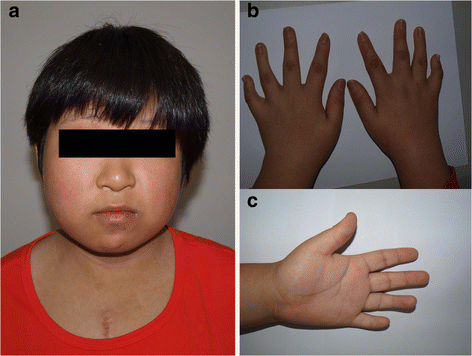
Flat Nasal Bridge And Epicanthal Folds - Trisomy 21 Docx Autism Down Syndrome : It is very ... from media.springernature.com And/or a small jaw (micrognathia) and small mouth with protruding lips. These features make the eyes look crossed when in fact they are not. Many affected infants also have unusually flat midfacial regions (midfacial hypoplasia), including a short nose, flattened nasal bridge, and upturned nostrils (anteverted nares); Protrusion of the lower jaw (prognathism); An abnormally long vertical groove in the center of the upper lip (philtrum); This pseudostrabismus is most commonly due to a flat nasal bridge with prominent epicanthal skin folds. Endocardial cushion defects leading to ostium primum atrial septal defects, ventricular septal defects, and atrioventricular valve malformations. Brushfield spots (white spots on periphery of iris).
This is especially noticeable in pictures and when the child looks to the side.
And/or a small jaw (micrognathia) and small mouth with protruding lips. Pseudostrabismus is often due to the fact that baby's have a broad flat nasal bridge with small folds of eyelid skin at the inner corner of the eyelids (called epicanthal folds). This is especially noticeable in pictures and when the child looks to the side. Dec 07, 2014 · affected newborns often have poor muscle tone (hypotonia); These features make the eyes look crossed when in fact they are not. This pseudostrabismus is most commonly due to a flat nasal bridge with prominent epicanthal skin folds. An abnormally long vertical groove in the center of the upper lip (philtrum); Many affected infants also have unusually flat midfacial regions (midfacial hypoplasia), including a short nose, flattened nasal bridge, and upturned nostrils (anteverted nares); Liver cysts with liver dysfunction; Endocardial cushion defects leading to ostium primum atrial septal defects, ventricular septal defects, and atrioventricular valve malformations. Brushfield spots (white spots on periphery of iris). Protrusion of the lower jaw (prognathism);